


Develop a user-oriented digital assets experience through Self-Custodial Wallet Development that caters to your business model. From transaction signatures and multi chain support to managing and recovering your digital assets, build a wallet that will allow users to have complete control over their digital assets.

+ 0
Skilled Developers
+ 0
Websites Created
+ 0
Mobile Apps Released
+ 0
Industry Recognitions Earned
+ 0
Round-the-Clock Support Worldwide










Self Custodial Wallet Development involves the development of software wherein the user manages their digital assets without losing ownership of their private keys. Users authorize transactions through the wallet, which signs them before they enter the blockchain.
Unlike custodial services, self custodial wallets do not involve key custody by a third party. The wallet restoration process will depend on the recovery method used, for example, a recovery phrase or some other method.
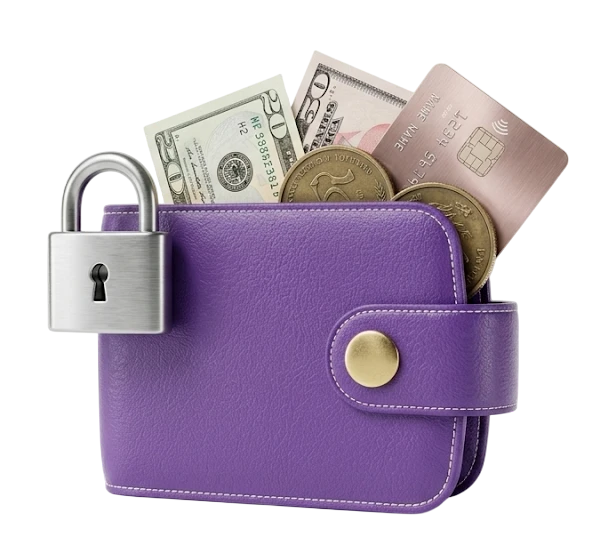
We design your wallet application based on your product needs and targeted audience. The process of Custom Self Custodial Wallet Development includes supporting assets, wallets, transaction process, blockchain connection, and administration functions as well.
For businesses serving users on smartphones, Self Custodial Wallet App Development covers supported mobile platforms, account setup, asset displays, transaction approvals and device specific controls.
A browser-accessible wallet suits products needing Self-Custodial Crypto Wallet Development without a separate mobile application. Development covers wallet access, transaction signing, network selection, and connections to web-based services.
Multi-chain wallet integrations connect selected blockchain networks based on product requirements. The implementation defines supported networks, assets, and network-specific functions.
DeFi and dApp connectivity links wallets to selected decentralized finance platforms and applications. Implementation covers supported applications, required connections, and available user interactions.
Businesses needing Non-Custodial Wallet Development for an operating wallet may require new networks, interface changes, defect fixes, or dependency updates. Technical conditions are foundation to check current code and the changes needed.
Those who want to get a branded wallet may consider getting a white label wallet according to the available software and the scope of work. The process of licensing, rebranding, providing the source code, and delivery is discussed prior to development.

Non-Custodial Crypto Wallet Development covers key generation or import according to the agreed design. Key handling depends on the selected architecture and the controls supported by each device.

First, the user verifies the transaction record and allows the requested transaction when it’s needed. Transactions are signed and submitted using the signing method and blockchain that the users selected themselves.

The wallet provides backup and restoration functions supported by its design. Users can follow the available instructions to restore access when they have the credentials required by that method.

Users can review supported asset balances and past transactions through blockchain data sources or indexing services. Self-Custodial Wallet App Development includes displaying records based on network availability and the reliability of connected services.

The interface can show receiving addresses, support address copying, and guide users through asset transfers. Network-specific validation and confirmation screens help users review destinations before signing.

The wallet interface can display assets from supported networks and let users switch between them. Non-Custodial Wallet Development depends on the integrations included in the agreed project scope.

The wallet can provide connection controls for compatible decentralized applications. Users can view connected applications and manage access through the options included in the wallet interface.

Key creation in Self-Custodial Wallet Security should use tested cryptographic algorithms and randomness. The storage mechanisms vary according to the design of the wallet, available hardware protection mechanisms, and required security level.
Encryption is mainly used to protect sensitive transaction details from others, based on implementation. Access controls and signing methods restrict unauthorized requests and reduce primary risk.
If the wallet has a backup in it, then users need a clear follow up for storing and restoring the data. Recovery features depend on the individual platform’s design and users need to keep the backup phrase private from the support team.
Self-Custodial Wallet Security on mobile and desktop may use available operating-system protections. Supported controls depend on the device, wallet architecture, and security requirements.
Users should understand the recovery limits before storing valuable assets if there is loss of credentials, access will be gained back through recovery procedures provided for in the wallet architecture.
Custom Self-Custodial Wallet Development should include code review, functional testing, dependency checks, and transaction tests. Security reviews should cover the wallet application and its connected services according to the agreed testing scope.

For each blockchain integration in a Multi-Chain Self-Custodial Wallet, the network protocol, transaction structure, and infrastructure have to be taken into consideration. The requirements differ depending on the functionality of the wallet.
The selected networks depend on your users, supported assets, and product requirements. We can plan the integration scope around confirmed network capabilities, testing needs, and the maintenance required as protocols change.

A Blockchain development company may assist in creating the infrastructure that links the wallet to the blockchain networks. Components may include nodes, APIs, asset data providers, and transaction broadcasting services, depending on the selected architecture.
Ethereum, BNB Smart Chain, Polygon, and Solana are among the networks listed in Addus Technologies’ blockchain service information. Final support for your wallet must be confirmed against the chosen architecture and required features.
Wallet requirements vary with the product. The following use cases show where user-controlled keys and transaction access may serve a specific business need.
A new Web3 product may need Self-Custodial Crypto Wallet Development for asset storage and transaction approvals. The wallet should match the product’s supported networks and the actions users need to perform.
If the DeFi development company wants its wallet to have a feature for token swapping, loans, or borrowing, among others, then the functions will depend on which protocols it has chosen to integrate into its product.
An NFT marketplace can use wallet connections to gather, list, buy and transfer its compatible tokens. The required functions depend on the marketplace’s contract design, supported standards, and chosen blockchain networks.
When entering into the wallet industry, one needs a solution that will cater to their first batch of customers and the business model they intend to adopt. There are considerations to be made regarding ownership, recovery, asset support and operating costs for Non-Custodial Wallet Development.
Digital asset platforms providing users across several networks may need a common interface for a Multi-Chain Self Custodial Wallet. This method is best for businesses whose customers use assets spread across different blockchain ecosystems.
The existing platform can leverage Non-Custodial Crypto Wallet Development for implementing digital payments, tokens and Web3 features. The scope would depend on the already existing capabilities of the platform and what new features it requires.
The choice between self custody and custodial wallets is based on key management, recovery and asset management. Features like these make it easier to select the right method for self-custodial crypto wallet development for enterprises.
| Key Area | Self-custodial wallet | Custodial wallet |
|---|---|---|
| Private-key control | Users control their private keys. | The provider manages the private keys. |
| Recovery options | Recovery depends on the backup method. | The provider may offer account recovery. |
| User responsibilities | Users protect their keys and recovery details. | Users protect their accounts and login details. |
| Provider responsibilities | The team maintains the wallet software. | The provider manages assets and custody systems. |
| Technical needs | Key management, transaction signing, and blockchain connections. | Key storage, account controls and withdrawal systems. |
| Best Suited for | Products where users manage their own digital assets. | Services that manage digital assets for customers. |

The Self Custodial Wallet Development Company can help you talk about your target audience, business model, platforms needed, tokens supported and functions of your wallet. This will result in a defined scope of work.
The team defines the system design, components, information architecture and external tools. You get an architecture proposal that contains the main technical choices, integration requirements and items needing approval.
Design work covers onboarding, wallet access, asset views, transaction reviews, and recovery instructions. Screen flows and prototypes give your team a chance to review how users will complete important tasks.
Developers implement the approved designs, wallet functions, and external connections. Progress is checked against the agreed requirements, and any requested changes are reviewed for their effect on scope and delivery.
Testing covers core functions, transaction handling, supported devices, and expected failure cases. Security checks focus on the agreed threat model, while specialist reviews are arranged where the project requires them.
The team prepares the release, deployment settings, and transfer documents according to the agreement. Your business will get the outcomes that have been declared in the project contract at the beginning.
After deployment, bug fixes, system updates, network changes and improving the functionality include in maintenance. This will be helpful to keep the platform’s overall experience smooth for a long time.
The Self Custodial Wallet Development Cost depends on the agreed features, number of platforms, network integrations and security requirements. The quotation also accounts for implementation work, testing, deployment and ongoing support based on the project scope.
Each additional blockchain may require separate transaction logic, address handling, asset data, and testing. The estimate depends on network differences and the number of functions required for each integration.
Building for mobile devices, web browsers, or browser extensions involves different interface and technical requirements. Supporting several platforms can increase design, implementation, compatibility testing, and maintenance work.
The choice of key storage, signing methods, backup options, and recovery arrangements affects Self-Custodial Wallet Development Cost. More involved recovery requirements may need additional security design and testing.
External data providers, wallet connection services, analytics services, and blockchain platforms may influence the project budget. The cost will be defined by the level of integration, costs of the service, limits, and maintenance responsibility.
Wallet architecture, supported networks and potential risks may decide how the test will be conducted. Because extra penetration testing, reviews from industry specialists and automated contract audits need separate costs to complete.
Wallets that have simple features like balance and transfers should be developed differently compared to wallets that have token exchanges and transaction preview features. Therefore, every different design approach impacts the development cost.
Recurring costs may be incurred through infrastructure costs, third party costs, dependency costs, bug fix costs and network costs. Discuss expected maintenance responsibilities and support arrangements when requesting your project estimate
Addus Technologies provides cryptocurrency wallet development, blockchain development and Web3 application development. Businesses can discuss network compatibility, transaction handling, important handling and recovery requirements with the team before deciding on the wallet's technical scope
Apart from this, a cryptocurrency wallet development company must provide the designs of interfaces, connections to blockchains, test transactions and the requirements for deploying your Crypto Wallet. The scope will determine what will be delivered, what tech will be used, what will be tested and what support you will receive.


At Addus Technologies, wallet development follows the agreed technical requirements and project scope. The team reviews transaction flows, blockchain connections, Self-Custodial Wallet Security, and recovery paths during development, with testing and code reviews planned according to the project's requirements.
Looking to develop a self-custodial crypto wallet? Contact Addus Technologies to discuss your requirements and explore a suitable development approach.
Share your planned wallet features, target platforms, blockchain networks, and recovery requirements with Addus Technologies, a Self-Custodial Wallet Development Company. Our team can assess the work involved in key management, network integration, and transaction handling, then provide an estimate for your proposed wallet.


