What Is a Multisig Wallet? How It Works, Key Benefits & Security Features
The Multisig Wallet provides an opportunity for multiple approved persons to verify cryptocurrency transactions. Using a system that has a mutual approval process is better than depending on a single private key. This is an approach that helps individuals and businesses to handle their digital currencies without a single person controlling all transactions.
The use of multiple approvals in the transaction process is effective in avoiding such problems as fraud, loss of the key, and other errors. However, hacking of signers, collusion of insiders, ineffective recovery mechanisms, and poor smart contracts can pose a danger to the money.
What Is a Multisig Wallet?
A Multisig Wallet is a cryptocurrency wallet that requires approval from multiple verified signers before a transaction can be approved. The wallet has a rule set to decide how many signatures are needed to execute an action.
Each signer has an individual private key or signing credential, depending on the implementation. Multisignature allows shared control, while single signature wallets are controlled by one key. This can assist businesses in protecting one person from moving money without verification from others.
How Does a Multisig Wallet Work?
The wallet uses a specified number of verified users and an approval limit. In traditional multisig wallets, each authorized user has a unique private key that allows for the transaction’s approval. In other wallets, such as MPC wallets, different methods of signing are used to process transactions.
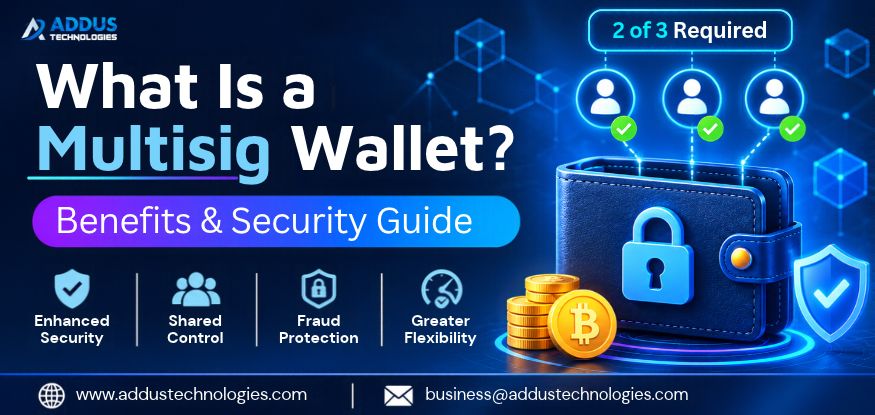
This principle is stated using the M-of-N model. In a 2-of-3 scheme, there are three signers authorized for the wallet, yet only two are enough to authorize the transaction. When one of the signers is unavailable, the two users who are around can authorize a transaction. When fewer than two holders are around, the transaction will be pending.
Essential Features of a Multisig Wallet
Multisignature Authorization
Transactions must be signed by authorized participants. This reduces the reliance on a single key, but the exact process of signing and the method of enforcement is tied to the blockchain and wallet implementation.
Customizable Approval Thresholds
The organization can choose an approval rule (e.g., 2-of-3, 3-of-5) according to its needs. The chosen threshold should reflect transaction value, signer availability and daily operational needs.
Review and monitoring of transactions
Many wallets may also give signers the ability to review pending transactions and track approval status. The information may vary, but the team must check the recipient, amount, fees and action in the contract.
Access Control and Signer Management
Wallet administrators may add or remove signers, subject to the wallet’s rules. Changes to signer access should follow a documented process and receive appropriate authorization.
Compatibility with blockchain
Multisig support varies by network. Some blockchains natively enforce multiple signatures, while others do it via intelligent contracts or wallet specific mechanisms. Check for compatibility before deployment.
Key Benefits of Using a Multisig Wallet
Reduced Dependence on a Single Key
The lack of a signer key does not necessarily constitute adequate authorization for transferring funds. Multisig wallet benefits include reduced exposure of individual keys, if other keys remain safe and the threshold is still reachable.
Shared Transaction Control
The authority in finance may be shared among the founders, finance employees, or trustees. Such a setup ensures that no party is able to conduct transactions without the needed authorization, hence contributing to Crypto Wallet Security.
Improved Approval Accountability
Transaction accountability is made easy by having a well-defined approval process. It helps the team determine who gave the approval for an activity and use that information in their internal audit or financial reports.
Organizational Treasury Management
Firms can use the shared wallet for operations, reserves, or project budgets. Multiple confirmations make it easier to reconcile treasury transactions with the company’s finance policy and assign a responsible team member with a defined responsibility in spend control.
Flexible Authorization Policies
The process of setting up approval rules is flexible and is tailored to fit the needs and working methods of the organization. It may be that a group of three people uses a two-out-of-three rule.
Multisig Wallet vs. Single Signature Wallet
A single-signature wallet relies on one key for transaction authorization. A multisignature wallet requires multiple authorized signatures, making the approval process different.
| Feature | Multi-Signature Wallet | Single-Signature Wallet |
|---|---|---|
| Transaction Authorization | Requires multiple approvals based on a predefined threshold | Requires only one valid signature |
| Security Level | Provides additional security through multiple keys | Relies on a single private key |
| Key Compromise Risk | One compromised key may not authorize transactions | A compromised key may allow unauthorized transfers |
| Ease of Use | Requires coordination among multiple signers | Simple to manage and operate |
| Recovery Options | Depends on remaining signers and recovery mechanisms | Depends on private key backups and recovery options |
| Business Suitability | Ideal for businesses, DAOs, and shared treasury management | Suitable for individual users and personal asset management |
Common Use Cases of Multisig Wallets
Cryptocurrency exchanges
The platform can use multisignature wallets for treasury management and withdrawal of funds from reserve wallets. Having multiple employees’ approvals will minimize the risks of unapproved transactions.
DAO treasuries
A decentralized autonomous organization can leverage a shared wallet for grants and contributor payouts. Spending is approved by members based on the organization’s governance policies, making this one of the practical Multisig Wallet Use Cases.
DeFi Protocols
A decentralized finance protocol can require multiple signatures for contract upgrades, treasury management and adjustments of protocol parameters. This approach will enable various team members to participate in administrative processes.
Web3 Businesses
Various Web3 companies can use shared wallets for paying contractors and managing operating funds and vendor payments. The multi-signatures will divide financial responsibilities between the company’s employees or founders.
Cryptocurrency Investment Funds
The platform may have multiple signatures needed to approve asset transfer from the wallet. The process will include internal controls but will allow authorized staff to make transactions.
Multisig Wallet Security Risks and Best Practices
Private Key Protection
Each participant should protect their private key with secure storage and strong device access controls. Crypto Wallet Security also depends on keeping signing details separate and limiting access to verified users. A shared approval system cannot protect funds if enough keys are exposed.
Independent User Security
Keep participant keys on separate devices and, where practical, in separate locations. Do not use shared passwords, common recovery phrases, or allow one administrator to manage all signing devices.
Approval Threshold Selection
Choose a threshold that balances security and availability. A very low threshold may weaken approval controls, while an unreachable threshold can prevent legitimate transactions.
Key Backup and Recovery Planning
Prepare secure backups and document how lost or unavailable signers will be replaced. Test recovery procedures before an emergency rather than relying on assumptions.
Transaction Verification
Signers should independently check the recipient address, amount, network, and requested action. Do not approve a transaction based only on a message from another participant.
Smart Contract Security Reviews
When a wallet uses a smart contract, review its authorization logic, upgrade controls, and recovery functions. Independent security testing can help identify flaws before funds are deposited.
Multisig Wallet Security: How It Varies from MPC
A multisig wallet requires multiple authorized signers to approve a transaction using separate private keys. Its security depends on the approval threshold, key protection, and signer availability. Compromised keys can still threaten funds if enough approvals become accessible.
MPC wallets create threshold signatures from distributed key shares without assembling the full private key. Unlike traditional multisig, MPC creates a single signature. Both methods need secure key management, reliable recovery, and access controls. Multisig Wallet Security depends on proper implementation and maintenance.
How to Choose the Right Multisig Wallet
Selecting a wallet requires more than checking its supported networks and features. The following steps help assess whether its design, security measures, and approval process fit the organization’s needs.
Check Blockchain Compatibility
Verify that the wallet is compatible with the desired blockchain and the assets. Determine if the wallet requires multisignature for approval via a smart contract, and verify the transaction fees and network constraints.
Define Authorized User Requirements
List the people or teams responsible for approving transactions. Select an approval threshold that allows routine payments while requiring additional consent for larger transfers or sensitive administrative actions.
Review Key Management and Recovery
Check how private keys are created, stored, backed up, and replaced. Confirm that the organization can recover access if a verified user loses a device or leaves the business, as these Multisig Wallet Benefits depend on reliable recovery procedures.
Check Security Documentation and Audits
Review available security documentation, audit reports, and known limitations. For contract based wallets, examine the code and its access controls. An audit provides useful evidence but does not guarantee safety.
Assess Integration Requirements
Identify whether the wallet must connect with an exchange, accounting system, custody provider, or internal application. Check available APIs, transaction workflows, and any limits on integration during Cryptocurrency Wallet Development.
Consider Governance and Operational Needs
Set clear rules for approving payments, changing verified party, and handling emergencies. Confirm who can make configuration changes and how the organization will review wallet activity after deployment.
Conclusion
The multisig wallet has a set of shared parameters for transaction approval, requiring approval from multiple users. To ensure the safety of the multisig wallet, proper choices for policies should be made, independent holder accounts, secured key management, and tested recovery methods.
Consider blockchain compatibility, signing processes, and governance needs prior to selecting a wallet. Addus Technologies provides a wide range of blockchain development resources that can assist businesses in exploring wallet solutions. To learn more about multisig wallet development and determine the right solution for your business, contact Addus Technologies.
Frequently Asked Questions
What is a multisig wallet?
A multisig wallet is a cryptocurrency wallet that requires more than one authorized user for a transaction with pre defined authorization rules.
How does a multisig wallet work?
A multisignature wallet obtains approvals from authorized users. After the required threshold is met, the transaction goes through, following the rules set in the wallet.
How many signatures are needed for a multisig transaction?
It all depends on the threshold. For example, in the case of a 2-of-3 multisig wallet, two signatures from three authorized users are required.
What happens if a signer loses his private key?
If a user loses their private key, other users could approve transactions if they meet the required threshold. Recovering the lost private key rely on the rules of key recovery.
What are the differences between multisig and MPC wallets?
Multisig wallets use independent private keys and require multiple signatures. MPC wallets use independent key shares to generate a required signature without recreating the private key.